
Case Studies: Smartphones and Schwanommas
/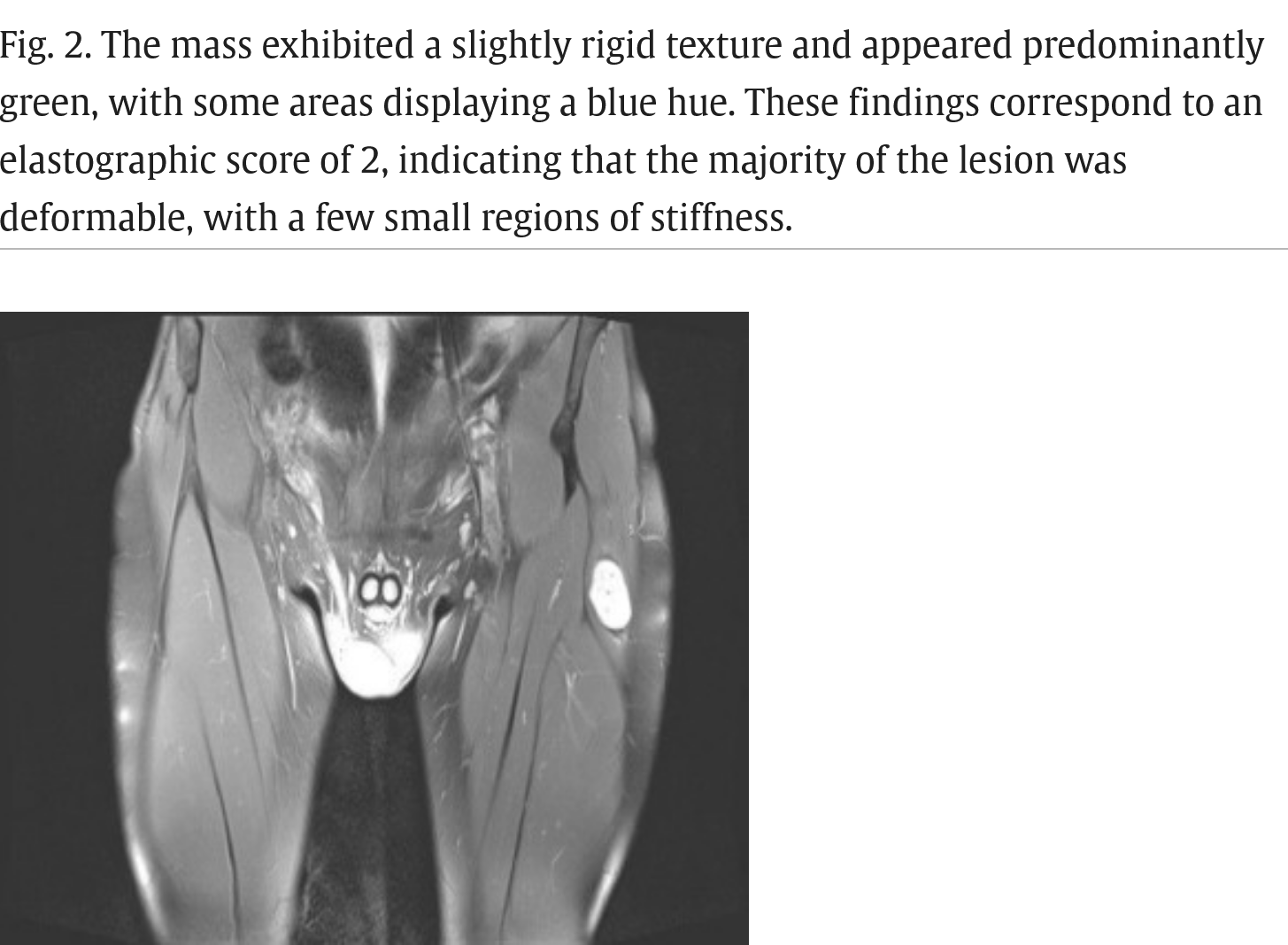
A 40-year-old Italian man had noticed the painless mass gradually expanding in his left thigh over a period of six months. Turns out it was a schwanomma cancer. It was near where he “habitually” kept his smartphone in a trouser pocket.
Three medical doctors published his diagnosis as a case report in in Radiology Case Reports, a peer-reviewed, open access journal.
This is similar to another case also in Italy.
A woman had grown a lump in her close to a pocket where she put a cell phone while doing sports for about one hour a day, every day for more than ten years.
Fiorella Belpoggi, the former scientific director of the Ramazzini Institute outside Bologna. She retired in 2019 but continues to be one of the institute’s scientific advisors. Belpoggi ran Ramazzini’s long-term RF exposure study, which found schwannoma of the heart among exposed rats.
This Ramazzini study was published in the same year as the US U.S. National Toxicology Program (NTP)’s massive 10-year study that saw malignant schwannoma of the heart among its RF–exposed rats. This is what led to the now well-known conclusion that there is “clear evidence” of cancer following RF exposure.
What are Schwannomas?
Schwanommas are extremely rare and a cancer of the nervous system.
Schwann cells form the myelin sheath that insulates nerves and helps speed the conduction of electrical impulses. They are present in most organs of the body —whether of mice, rats or humans.
They are almost always benign (noncancerous) but can sometimes be malignant (cancerous)


